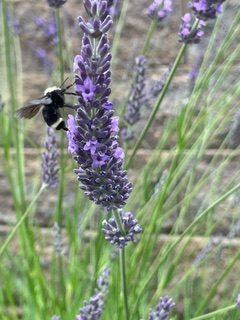
This year Pollinator Week runs from Monday, June 22 to Sunday, June 28. Pollinator Week is an annual celebration of all pollinators that was created and is managed by the Pollinator Partnership.

When many people think of pollinators they think of bees, specifically European Honeybees and butterflies that serve as the charismatic megafauna of pollinators.
What many don’t know is that pollinators are as diverse and varied as the plants they pollinate, and all of them deserve our love and conservation efforts.
This includes everything from small mammals such as bats; to beetles, who have been pollinating plants longer than butterflies or bees; moths; flies; mosquitos; and birds.
Many of these animals, including mosquitoes, are so critical to our ecosystems that they are considered keystone species; meaning that if they were removed the whole system would collapse.
According to Pollinator Partnership, 75%-95% of all plant life on earth and 1/3 of all food produced is dependent on pollinators.
Without pollinators plant life would be reduced to wind pollinated species, like grasses, some trees, and ferns; and water pollinated species, like seagrasses; and our world and diets would become a lot less interesting.
As we build housing developments with their manicured lawns, data centers, and parking lots; we are losing the vital habitats that support these critical species.
Fortunately, it is not all doom and gloom; there are things that everyone can do to help support pollinators and increase biodiversity in the places we work and live.
Many plant and pollinator species co-evolved, thus creating a symbiotic relationship that typically cannot be fulfilled by generalists (either plants or pollinators). We must plant native species; native plants not only support pollinators in all stages of life, they also help create resilient ecosystems that will be critical to dealing with droughts, heat, and environmental shifts as climate change worsens.
Species such as the common yarrow, Saskatoon serviceberry, showy milkweed, and Douglas’ aster are all examples of plants native to this region that can add both visual interest and pollinator protection to landscapes, according to the Xerces Society which has created a region specific pollinator resources on their website. Replacing part or all of the biological dead zone that is the typical lawn with a mixture of wildflowers, a rain garden, and native plants will help create a beautiful, diverse, and resilient landscape.

Another thing everyone can do is to stop or limit the use pesticides, herbicides, and fertilizers.
In many cases there is a much more eco-friendly way to deal with pest problems and have luscious gardens. Increasing biodiversity can help keep both less desirable plant and insect species in check; and growing plants that have evolved to flourish in the Pacific Northwest means less yard work as you won’t be spending your time trying to keep a plant that was made for an entirely different climate alive when a native will thrive with significantly less care.
Another way to both reduce the amount of time spent working in the yard and increase time spent enjoying the garden is to minimize the amount of tidying up being done as seasons change.
Leave the leaves, as they say, this not only provides plants with nutrients as the old plant matter breaks down, it can help form a natural weed barrier, and provide crucial habitat for pollinators.
Many pollinators such as bees, insects, and small animals like to overwinter in loose leaf litter and in cleaning it up you may be destroying the habitat necessary for these creatures to survive until next spring. Let your garden be a little wild, it not only means more time for enjoying other hobbies but it also means supporting species that make our world a more visually appealing and delicious place.

There are a number of local organizations that are working towards that are doing their part to support pollinators every day; from Clark Public Utilities with their Pollinator Project; to the Vancouver Bee Project with their pollinator festival and community outreach programs; and Clark College, a certified Bee Campus, that has several educational and outreach programs available to people at all stages of their educational journey. There are even programs like Clark Conservation District who can not only help with things like soil testing and invasive weed management, but also host native plant sales and workshops to help Clark County conserve the county’s natural resources.

If you are interested in learning more about pollinators, invertebrates, and conservation you can do at home please check out the Xerces society at xerces.org; the Pollinator Partnership at pollinator.org; and the Vancouver Bee Project at vancouverbeeproject.org.

Sources for this article and recommended reading include the following:
The Insect Crisis: The Fall of the Tiny Empires that Run the Worldby Oliver Milman
Nature’s Best Hope: A New Approach to Conservation That Starts in Your Yard by Douglas Tallamy
The Serviceberry: Abundance and Reciprocity in the Natural World by Robin Wall Kimmerer
Entangled Life: How Fungi Make Our Worlds, Change Our Minds, & Shape Our Future by Marlin Sheldrake.
Finding the Mother Tree: Discovering the Wisdom of the Forest by Suzanne Simard
The Humane Gardner: Nurturing a Backyard Habitat for Wildlife by Nancy Lawson



Leave a Reply